





















Mechanisms and Machines: On the Continued Relevance of Mathematical Modeling in Biological Sciences
Mathematical modeling has long provided mechanistic insight and predictive power across biological scales, from the structure and dynamics of biomolecules to neural activity and even up to population dynamics and epidemics. With the rise of machine learning and large-scale data, its continued relevance is sometimes questioned. We argue that mathematical models remain indispensable: they support interpretability, causal insight, and principled generalization beyond what is commonly attainable with purely data-driven methods. At the same time, modern machine learning increasingly embeds mathematical structure, through geometric and graph-based learning, topological data analysis, and physics-informed networks, showing that progress in data-driven approaches often relies on theoretical foundations rather than replacing them.
Enhancing Quality in Open Access Scholarly Publishing: From Proxies to Responsible Assessment
Background and Objective: Despite significant progress in Open Access (OA) and Open Science (OS) over the past three decades, longstanding challenges in scholarly publishing—including the reproducibility crisis, market concentration, rising costs, inequality, and flawed research assessment policies—persist alongside emerging threats such as paper mills, hyperproduction, and uncritical AI use. This paper argues that OA alone is insufficient; a broader transformation encompassing research integrity, transparent peer review, open infrastructure, and responsible assessment is required.
Results and Conclusion: Diamond Open Access (Diamond OA)—characterized by no author or reader fees and community ownership—offers a relevant framework for addressing these intersecting issues. The paper examines the European Diamond Capacity Hub (EDCH), established in 2025, and its central quality alignment tool, the Diamond Open Access Standard (DOAS). DOAS provides a multidimensional framework for assessing journal quality through governance, funding, editorial integrity, open science compliance, technical infrastructure, visibility, and equity, rather than relying on journal reputation or proxy indicators. The EDCH also supports visibility through the Diamond Discovery Hub, capacity building via training platforms and toolsuites, and community engagement through registries and forums. The paper concludes that Diamond OA, supported by shared standards and public infrastructure, demonstrates that openness, quality, and equity are mutually reinforcing goals. Aligning publishing practices with research assessment reform represents a necessary cultural shift for restoring trust in science.
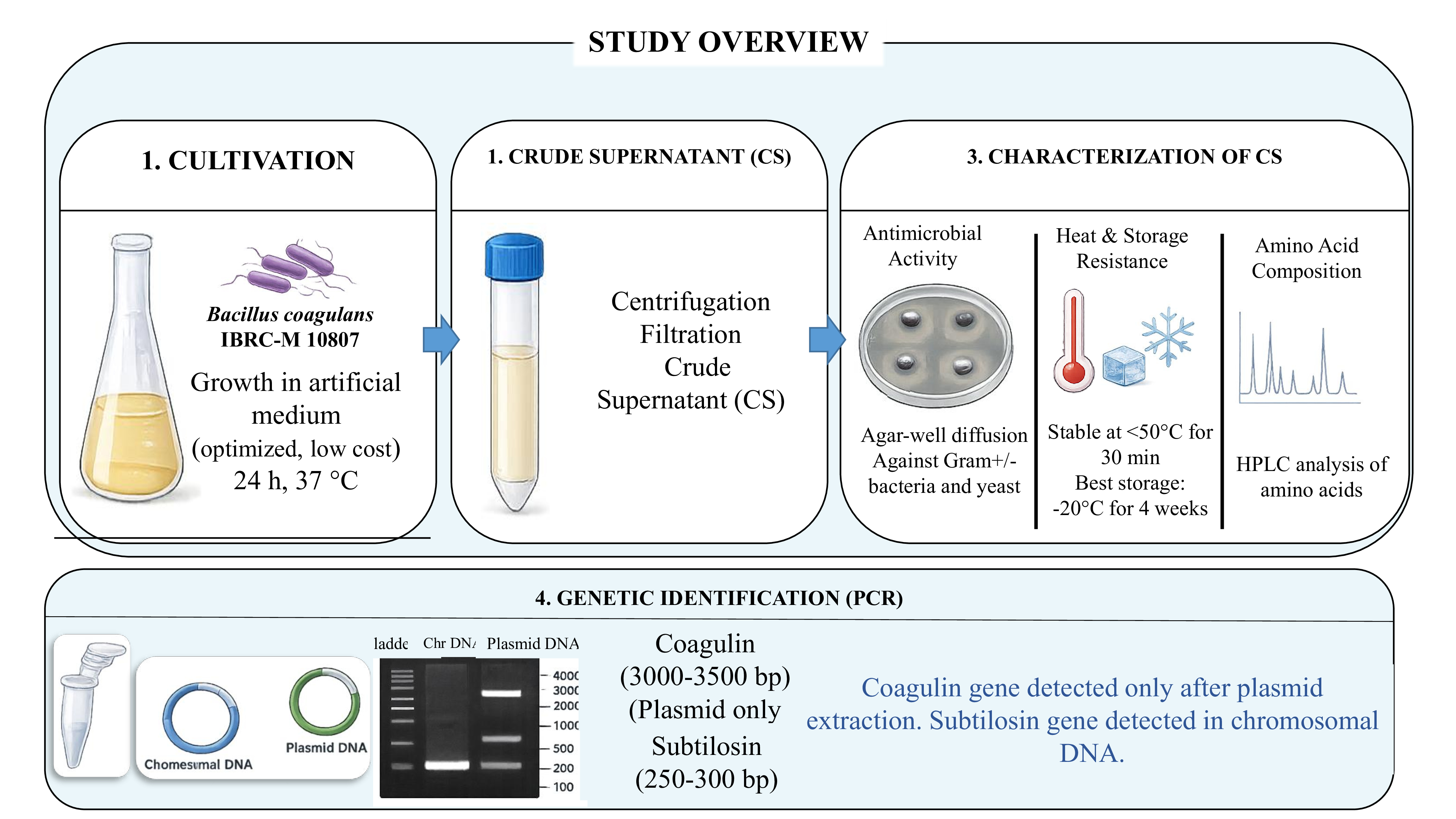
Quantitative Comparative Analysis of Pathogenic Microorganism Inactivation Kinetics in Spontaneous versus Directed Fermentation of Raw Milk: Evidence for Differential Efficacy and Food Safety Implications
Background and Objective: Spontaneous fermentation of raw milk, ubiquitous in artisanal dairy production worldwide, frequently results in pathogen proliferation and fails to meet modern food safety standards (ISO 22000:2018). Quantitative comparative data on fermentation modalities and their kinetic behaviour remain critically limited.
Material and Methods: Raw bovine milk from Tissemsilt, Algeria (n=20 per group) underwent spontaneous fermentation (36 h) or directed fermentation (12 h) with Lactiplantibacillus plantarum and Lactobacillus delbrueckii subsp. bulgaricus (1010 CFU/mL). Escherichia coli, coliforms, Staphylococcus aureus, and total microbial flora were enumerated at predefined intervals using standard microbiological methods. Kinetic parameters were modelled via linear regression, whilst ecosystem alterations were assessed by Principal Component Analysis. Statistical power exceeded 99% with Cohen's d = 23.4.
Results and Conclusion: Natural fermentation displayed pathogen proliferation (+0.0566 Log CFU/mL.h for Escherichia coli), whilst directed fermentation achieved rapid inactivation (−0.2045 Log CFU/mL.h), creating a net 4.157 Log difference (R² > 0.94). Principal component analysis indicated complete separation between modalities (PC1 = 93.4% variance, p < 0.001). Only directed fermentation obtained pH < 4.5 and passed ISO 22000 norms within 12 h; spontaneous fermentation remained non-compliant after 36 h. Directed fermentation is categorically distinct, driving opposite kinetic trajectories and providing guaranteed pathogen control. This bioprotective approach should be implemented in dairy operations to ensure consumer safety whilst retaining traditional product value.
Nitrofurantoin versus Ciprofloxacin for Empirical Treatment of Uncomplicated Urinary Tract Infection: A Randomized Comparative Study in the Era of Fluoroquinolone Resistance
|
Urinary tract infections (UTIs) are a major global health concern, affecting approximately 150 million individuals annually. The empirical treatment of uncomplicated UTIs often involves antibiotics such as ciprofloxacin and nitrofurantoin. However, rising antimicrobial resistance, particularly ciprofloxacin resistance, poses a significant challenge. This randomized comparative study aimed to evaluate the efficacy and safety of nitrofurantoin versus ciprofloxacin in adult women with uncomplicated UTIs in a tertiary care setting in India. A total of 50 culture-confirmed patients were randomly allocated (1:1) using computer-generated random numbers in sealed opaque envelopes to receive either nitrofurantoin (Group I, n=25) or ciprofloxacin (Group II, n=25). Treatment duration was 7 days for acute and 14 days for recurrent UTIs. Primary endpoint was microbiological cure at test-of-cure (day 14–21). Secondary endpoints were clinical cure, adverse events, and recurrence at 28 days. Microbiological cure rates were significantly higher with nitrofurantoin (88% [22/25] vs. 76% [19/25], RR 1.16, 95% CI 0.98–1.37, p=0.016). Clinical cure rates were 92% versus 80%, respectively. Adverse events occurred in 20% of nitrofurantoin patients versus 44% of ciprofloxacin patients. At 28-day follow-up, recurrence rates were 4% (1/25) in the nitrofurantoin group versus 12% (3/25) in the ciprofloxacin group (p=0.609). Nitrofurantoin demonstrated superior bacteriological efficacy and tolerability. This study provides novel evidence from a high-resistance setting in India, where E. coli susceptibility to ciprofloxacin has dropped to 68%, highlighting the urgent need to shift empirical therapy toward nitrofurantoin. These findings support nitrofurantoin as the preferred first-line agent for empirical therapy of uncomplicated UTIs in regions with high fluoroquinolone resistance |
Simultaneous optimization of factors affecting native starch pretreatment and enzymatic hydrolysis using magnetic covalent immobilized α-amylase
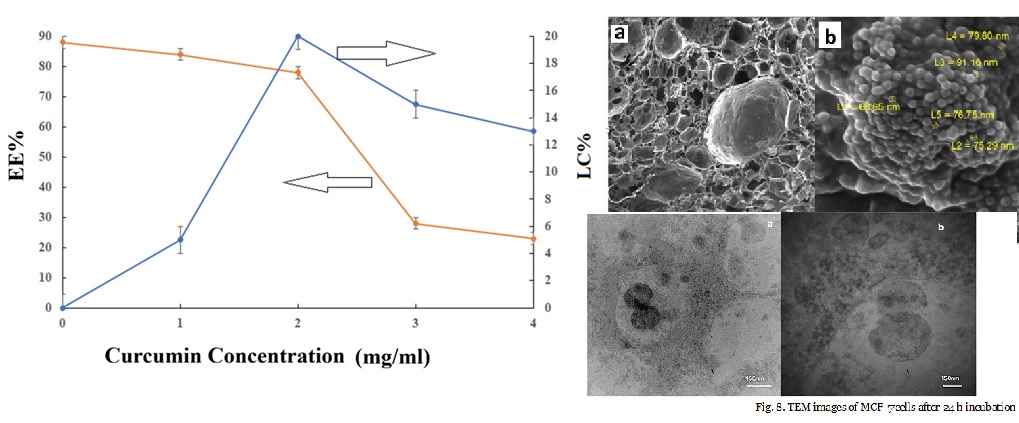
In this study, for the first time the effects of different factors on hydrolysis of low concentration of corn starch were investigated in two steps. In the first step, thermal hydrolysis with pH variation and sonication treatment and finally enzymatic hydrolysis of starch were investigated by one factor at a time method. The best conditions of maximum reducing sugar production and maximum releasing of amylose were starch with pH=4.5, sonication time 30 min and 24 hours solution storage in 4 °C with enzymatic hydrolysis by 335 ppm immobilized enzyme for 15 min. In the second step, the effects of three variables on starch hydrolysis to determine the optimal conditions were investigated by 23 factorial design with multiple responses desirability method. Starch concentration 0.5% (w/v), initial starch pH of 4.5 and enzymatic hydrolysis temperature 50°C were determined as optimum conditions for achieving maximum changes in reducing sugar concentration 92.48 (mg/g starch) and ratio of final and initial soluble amylose content of hydrolysate solution 0.62 (by more than 75% separation of immobilized enzyme on MNPs after the process by external magnetic field. Also, experiment showed the possibility of immobilized enzyme reusing, which can retain 40% of its ability to produce reducing sugar and retain magnetic features of nanoparticles after 6 cycles.
Advances in Microbial Biosurfactants: Sustainable Production, Diverse Microorganisms, and Eco-Friendly Substrates
Microbial biosurfactants are eco-friendly alternatives to synthetic surfactants, prized for their biodegradability, low toxicity, and versatile applications in industries like environmental remediation, pharmaceuticals, and food processing. This review explores the diversity of biosurfactant-producing microorganisms, emphasizing key genera such as Pseudomonas, Bacillus, and halophilic bacteria adapted to extreme conditions. It examines major biosurfactant classes—glycolipids, lipopeptides, and polymeric compounds—highlighting their structural and functional properties. The article delves into advanced fermentation strategies, optimization of culture conditions, and cutting-edge metabolic and genetic engineering approaches to boost production yields. Significant focus is placed on using agro-industrial residues and renewable by-products as cost-effective, sustainable substrates, with pretreatment methods like mechanical, chemical, and enzymatic hydrolysis enhancing substrate accessibility. This review underscores the dual benefits of biosurfactant production: promoting environmental sustainability through waste valorization and enabling scalable, green industrial processes. It advocates for integrated strategies combining process optimization, sustainable feedstocks, and life cycle assessments to address production challenges and unlock the transformative potential of biosurfactants for global environmental and industrial solutions.
The Role of Lactic Acid Bacteria in Bioplastic ProductionUsing Low-Cost Substrate
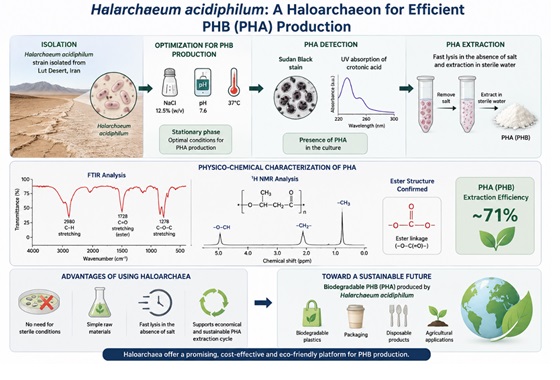
Plastic pollution poses a serious threat to the environment because it is nonbiodegradable. This issue has led many stakeholders to explore legal and technical solutions for creating valuable biodegradable plastics. Today, microorganisms have become promising sources for producing bioplastics, which have various uses, including packaging and other applications. Furthermore, the ongoing increase in food and agricultural waste, along with its management strategies, has attracted global attention due to its significant environmental impacts on air, soil, and water contamination. Lactic acid bacteria (LAB) are well-studied for producing two common bioplastics, polylactic acid (PLA) and polyhydroxyalkanoates (PHA), using food and agricultural waste. This review focuses on producing PHA and PLA from low-cost substrates with LAB. It highlights the types of PLA and PHA made by LAB and their applications. After briefly explaining what LAB strains can produce bioplastics, the biosynthesis of PLA and PHA by LAB is described. The review also explains the definitions and pretreatment methods of cheap substrates for bioplastic production. Finally, it discusses factors that influence the bioplastic production process. Overall, efficient methods for turning waste into bioplastics with LAB offer a promising step toward sustainable waste management and reducing the harm caused by traditional plastics.
Fermentation-derived fats and oils: from Engineering Strategies to Emerging Technology
Developing novel fat and oil ingredients through fermentation is an emerging field with great potential to address sustainability, health, and functionality challenges in the food industry. This review highlights new strategies such as precision fermentation for specialty fats, waste-to-oil bioconversion, hybrid blends with plant-based fats, and scalable bioreactor designs. Despite promising applications in food sectors, there are still challenges like high production costs, and scalability barriers. Advances in feedstock diversification, co-product valorization, and innovative fermentation systems are key to overcoming these hurdles. A few companies demonstrate progress, while economic and technological innovations are expected to enable mainstream adoption in the coming decade.
About the Journal
innovations shaping tomorrow's solutions, bridging biology and technology for a sustainable future, convergence of science, society, and sustainability, cutting-edge research in biotechnology and bioengineering, decoding life through advanced biotechnological approaches, engineering nature for health and environment